
Road Uniforms
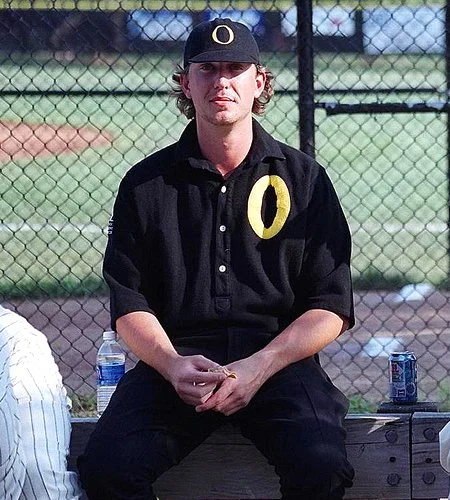
John McGraw managed the 1901 Baltimore Orioles of the fledgling American League before moving on to a storied career with the New York Giants. After the Orioles went out of business in 1903, the rights to the franchise were sold to a group that started up the New York Highlanders — later renamed the Yankees.
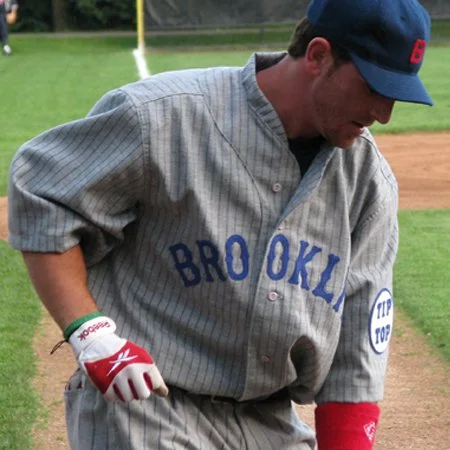
Members of the upstart Federal League for two seasons, the Brooklyn Tip-Tops got their name from the bread company that was run by the team’s owners. The Tip-Tops’ Benny Kauff led the Federal League in hitting in 1915.
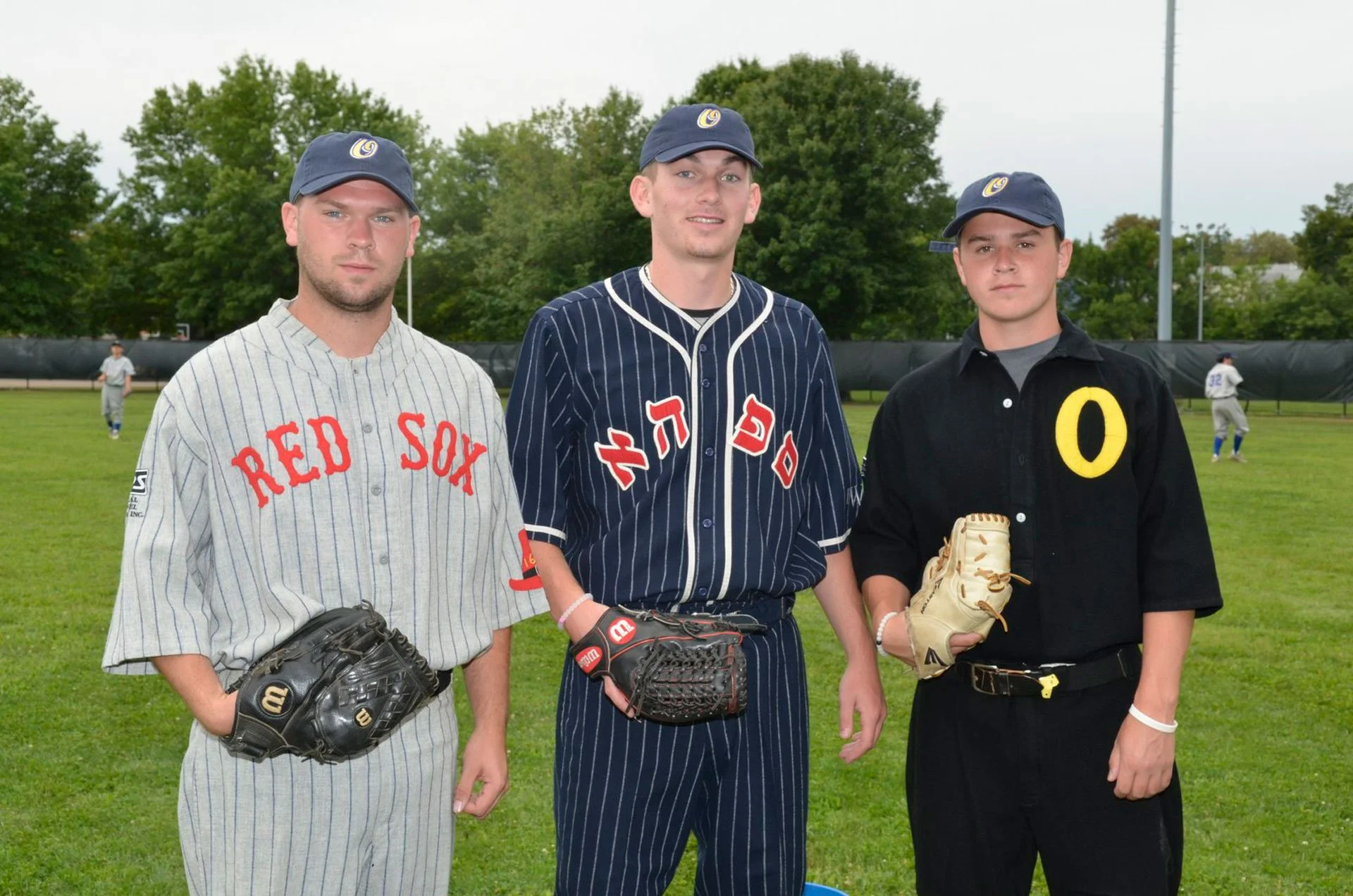
The Hebrews were a semi-pro team based in Philadelphia and run by Eddie Gottlieb, who would later own the Philadelphia Warriors of the National Basketball Association. He is a member of the Basketball Hall of Fame.
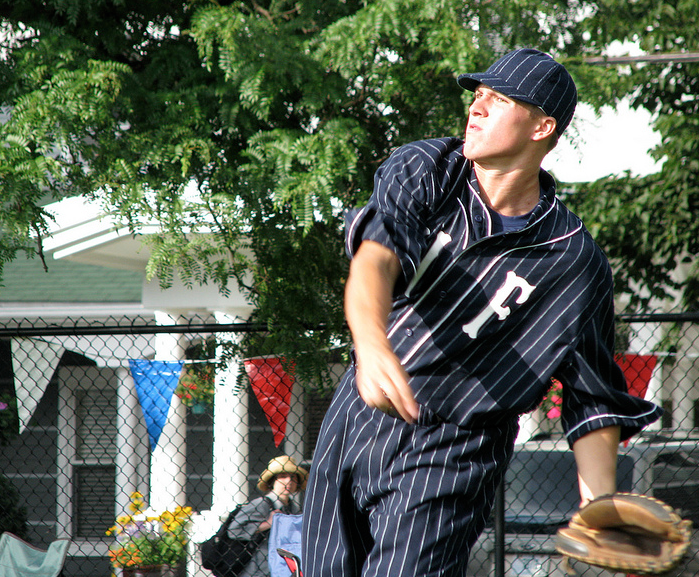
Playing in the Texas League, the ’22 Spudders won 22 consecutive games. The Spudders’ Homer Summa, who would go on to play 10 seasons in the majors, led the league in hitting with a .362 average.
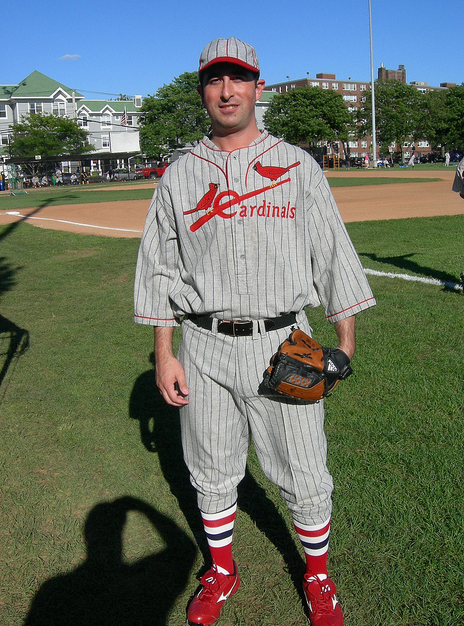
After beating out the Reds and Pirates to capture the National League pennant, the 1926 Cardinals beat the New York Yankees in a thrilling World Series, with Grover Cleveland Alexander fanning Tony Lazzeri in the seventh inning with the bases loaded.
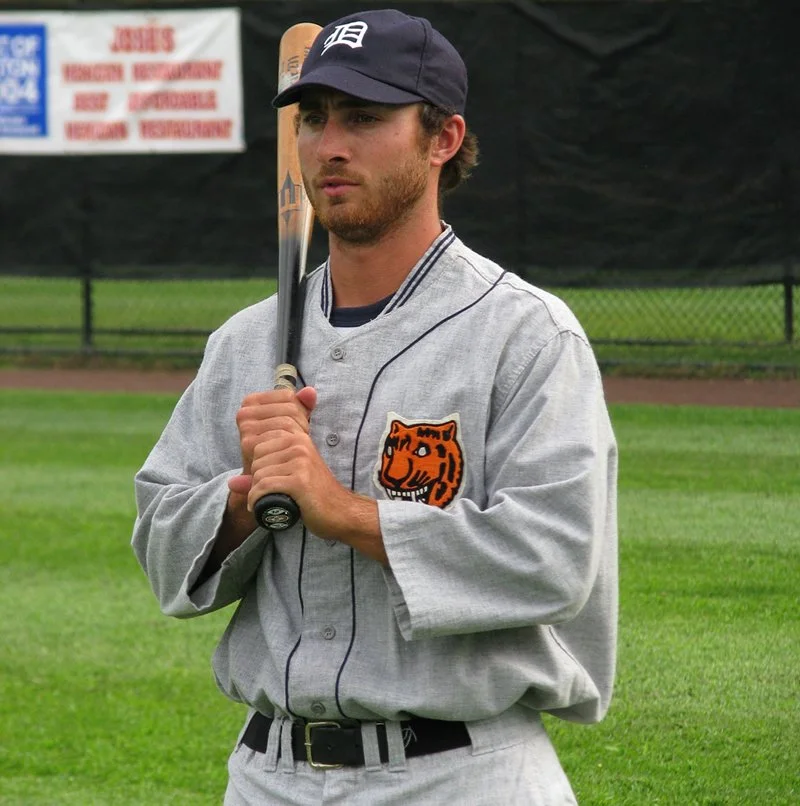
Harry Heilmann hit .398 for the 1927 Detroit Tigers, leading the American League and finishing second in MVP voting behind Lou Gehrig. Heilmann was elected to the Hall of Fame in 1952.
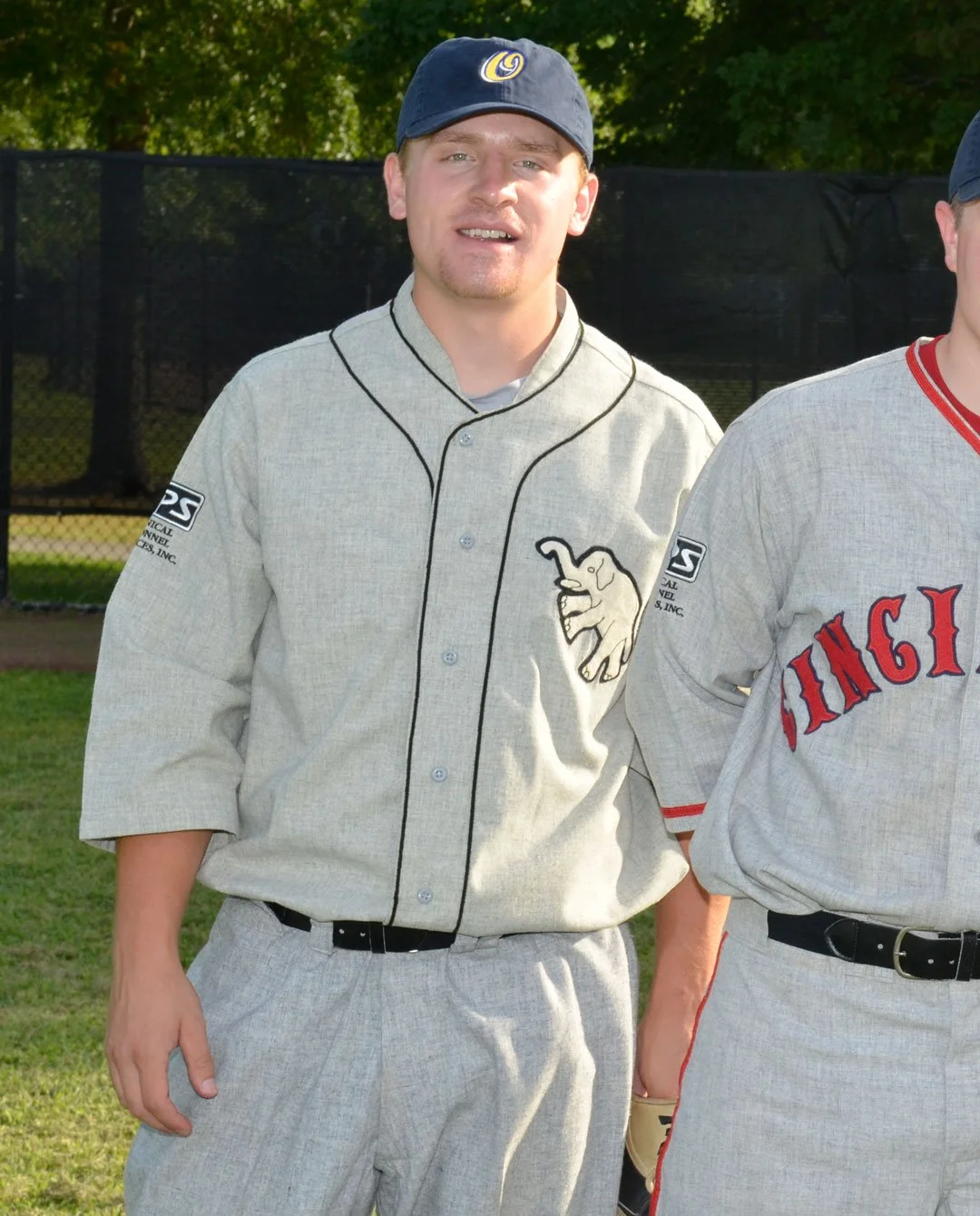
Eight members of this Roaring Twenties powerhouse would go on to be elected to the Hall Of Fame.
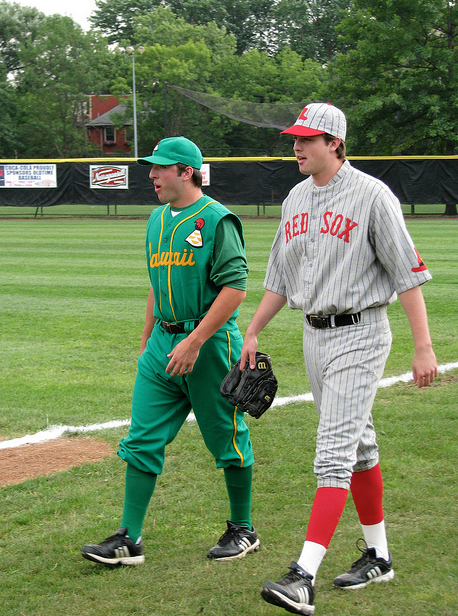
If you look closely on the sleeve you’ll see a Pilgrim patch showing the year 1630. The patch commemorates the tricentennial of the founding of the city of Boston and was worn by both the Red Sox and Braves in 1930.
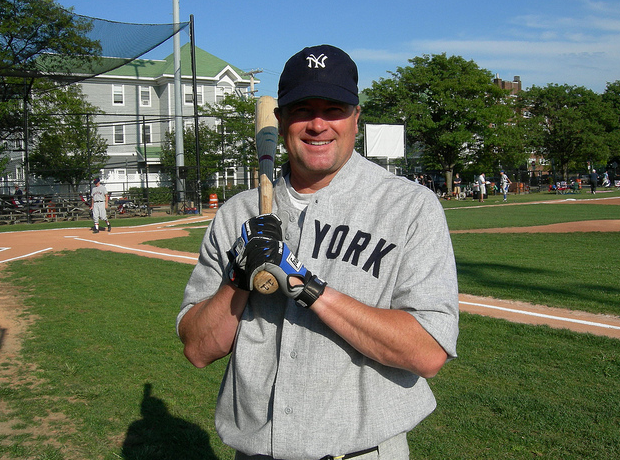
The Iron Horse played in 2,130 consecutive games during his illustrious career with the Yankees. He succumbed to Amyotrophic Lateral Aclerosis (ALS), now commonly known as Lou Gehrig’s Disease.
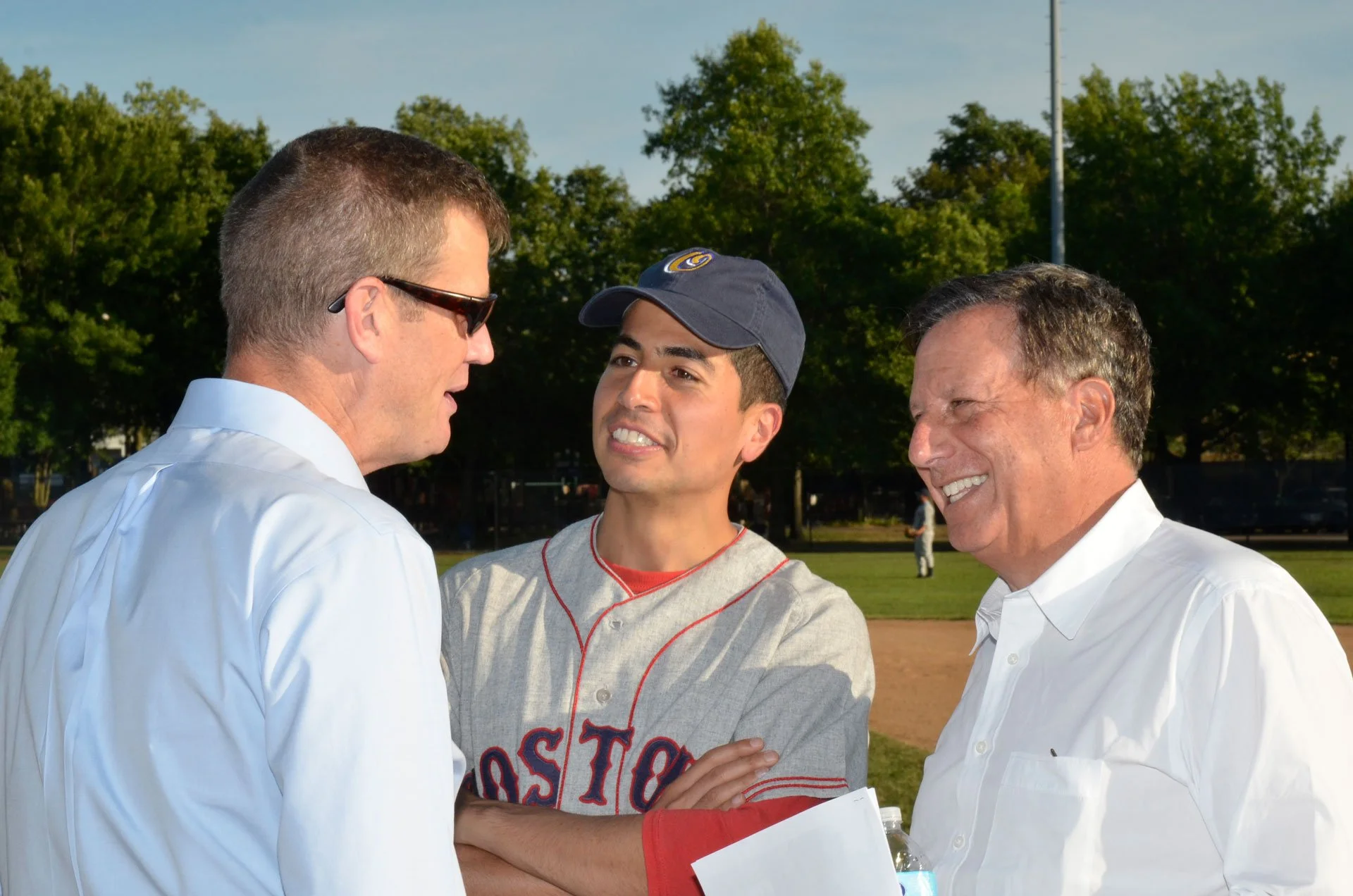
Jimmie Foxx’s 50 home runs for the 1938 Red Sox stood as the franchise record until David Ortiz hit 54 dingers in 2006. Foxx also compiled 175 RBI and a .349 batting average on his way to winning the 1938 MVP award.
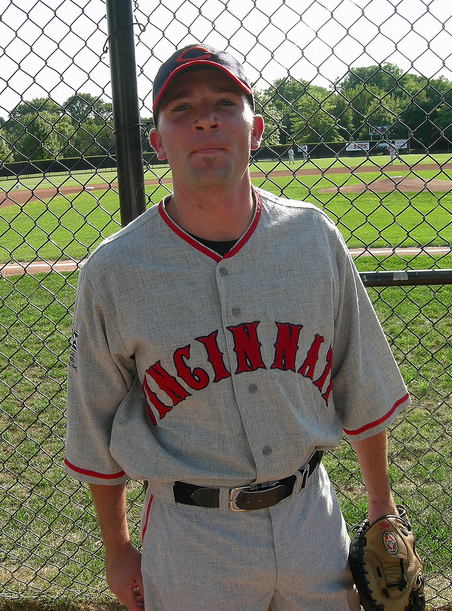
Johnny Vander Meer is the only pitcher in MLB history to throw back-to-back no-hitters. On June 11, 1938, he no-hit the Boston Bees at Crosley Field. Four days later, in the first night game played at Ebbets Field, he no-hit the Brooklyn Dodgers.
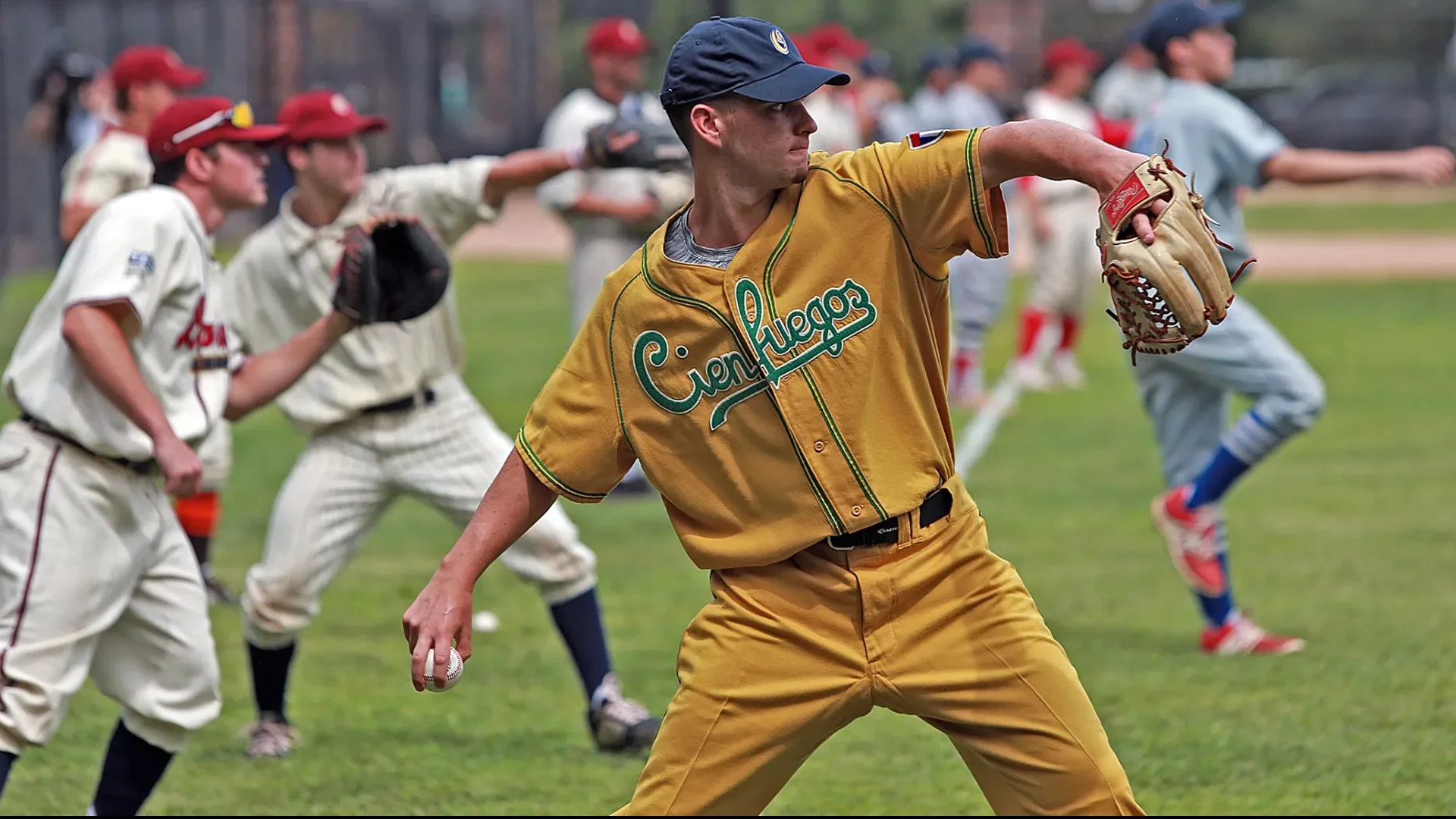
This iconic Cuban baseball team represented the port city of Cienfuegos but played its home games in Havana. Their symbol was the elephant and their slogan was, “The pace of the elephant is slow, but crushing!” Luis Tiant, Sr., father of the former Red Sox great, starred for the Elefantes.
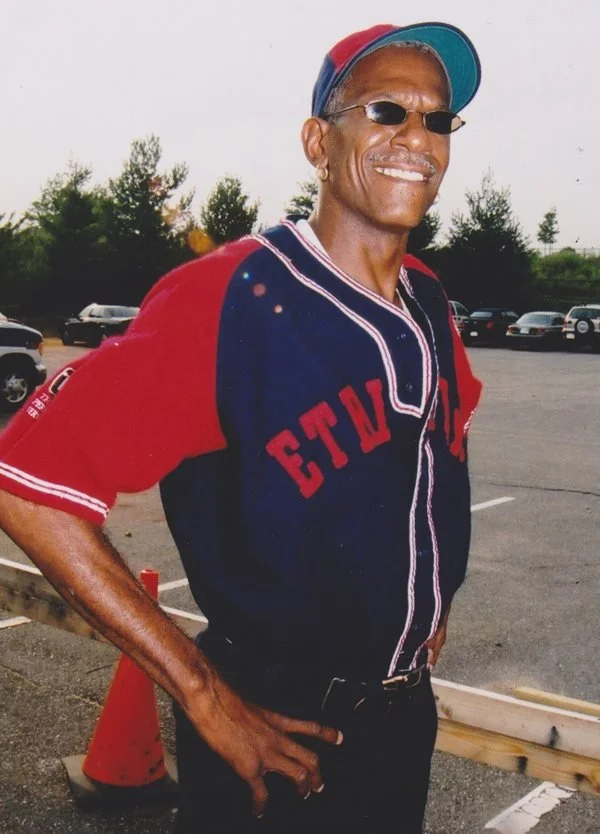
Originally from Miami, this famous barnstorming team from the Negro Leagues moved to Cincinnati in 1943. The Ethiopian Clowns were heralded as much for their on-field shenanigans as their stellar play.
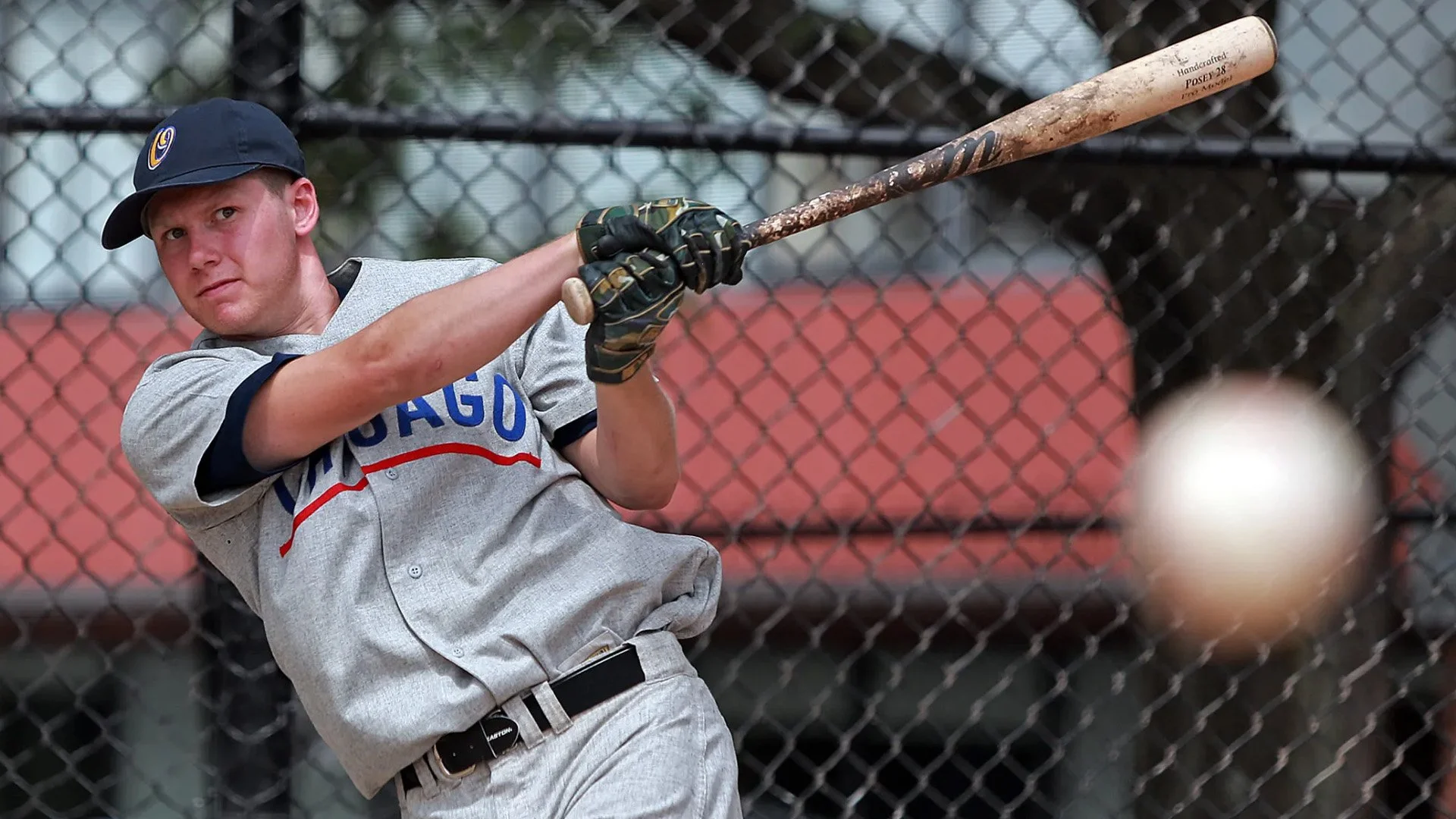
The long-time New England scout wore No. 21 when he played shortstop for the pennant-winning 1945 Chicago Cubs. This uniform was added to our collection when Lennie joined the Oldtime Baseball Game as a coach in 1999, but he brought along an original Cubs road uniform, No. 3, which he wore in the game for most of the next decade.
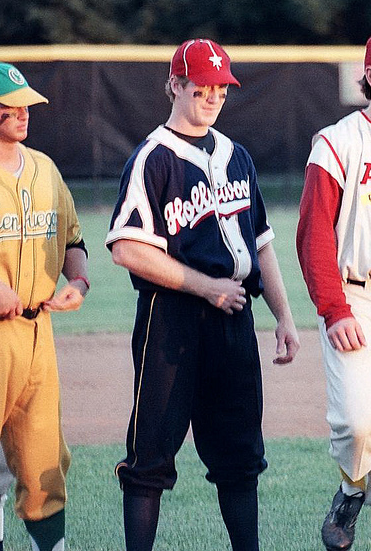
This navy blue uniform from the Pacific Coast League features chenille lettering and the number on the back encased in a star. Wearing No. 4 for the Stars in 1941 was second baseman Ham Schulte, who one year earlier played in the major leagues for the Philadelphia Phillies. The top was made by Ebbets Field Flannels in Seattle. The pants were tailored by the one, the only Amar of Royal White Laundry in Somerville.
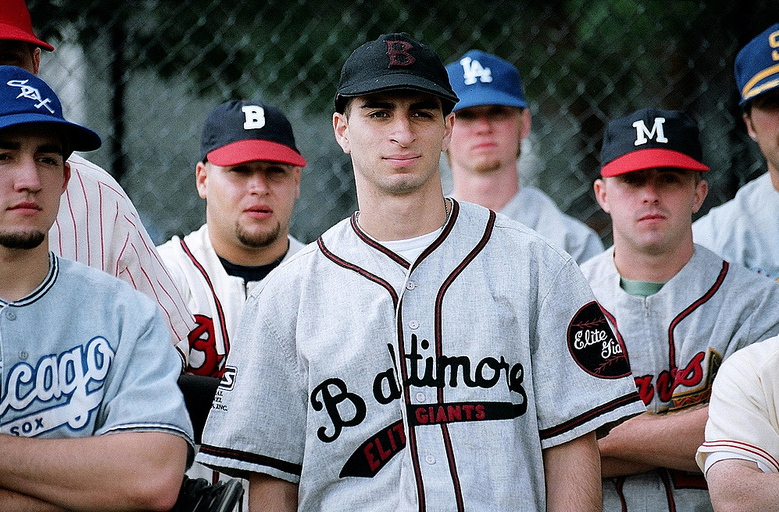
Hall of Fame catcher Roy Campanella played eight seasons with this Negro Leagues team before joining the Brooklyn Dodgers. His best season with the Elite Giants was in 1944, when he led the Negro National League in hitting with a .388 average. He hit two home runs in the 1955 World Series to help Brooklyn to its only championship.
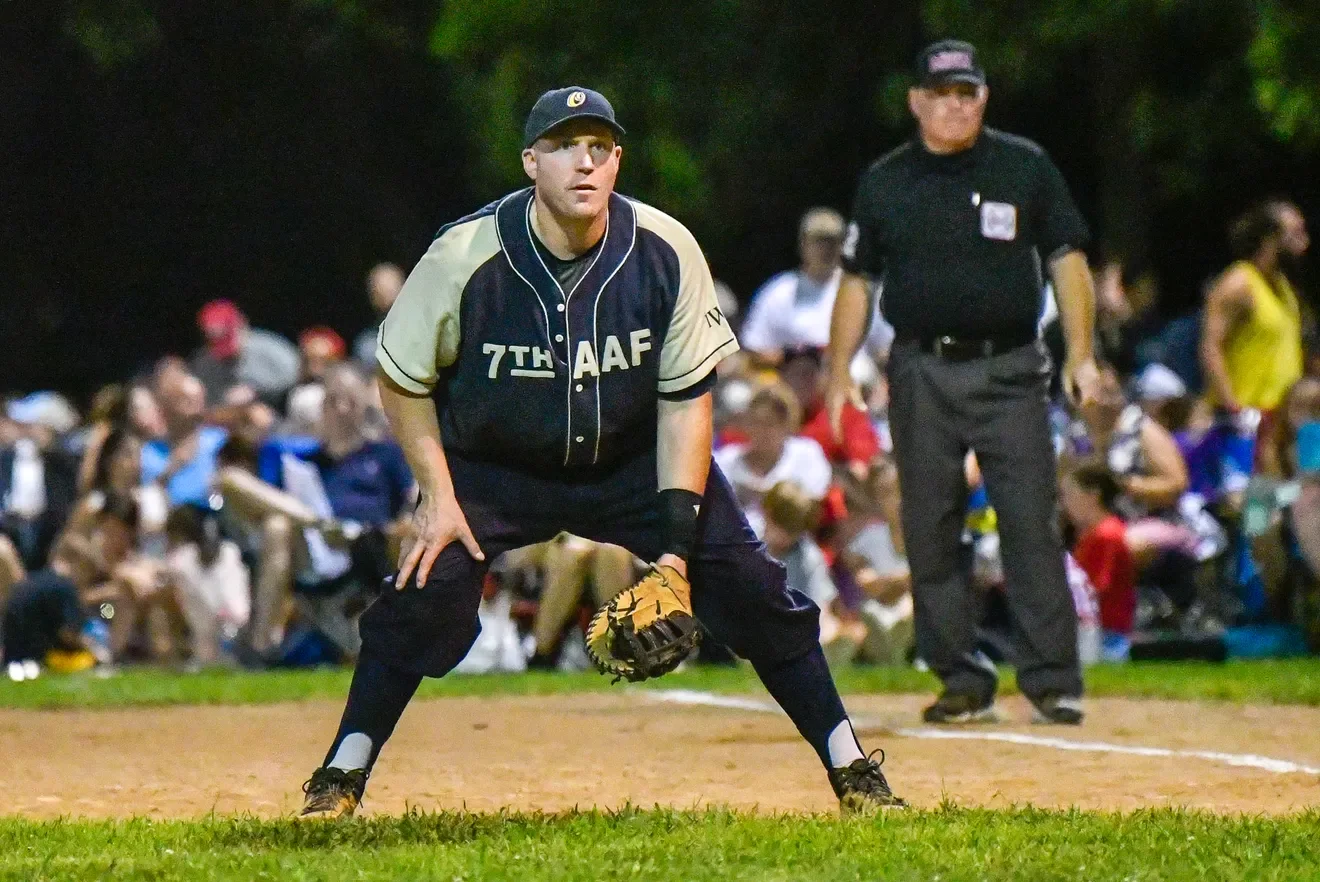
New York Yankees star Joe DiMaggio played for this team at Hickam Army Air Force Base in Hawaii during World War II.
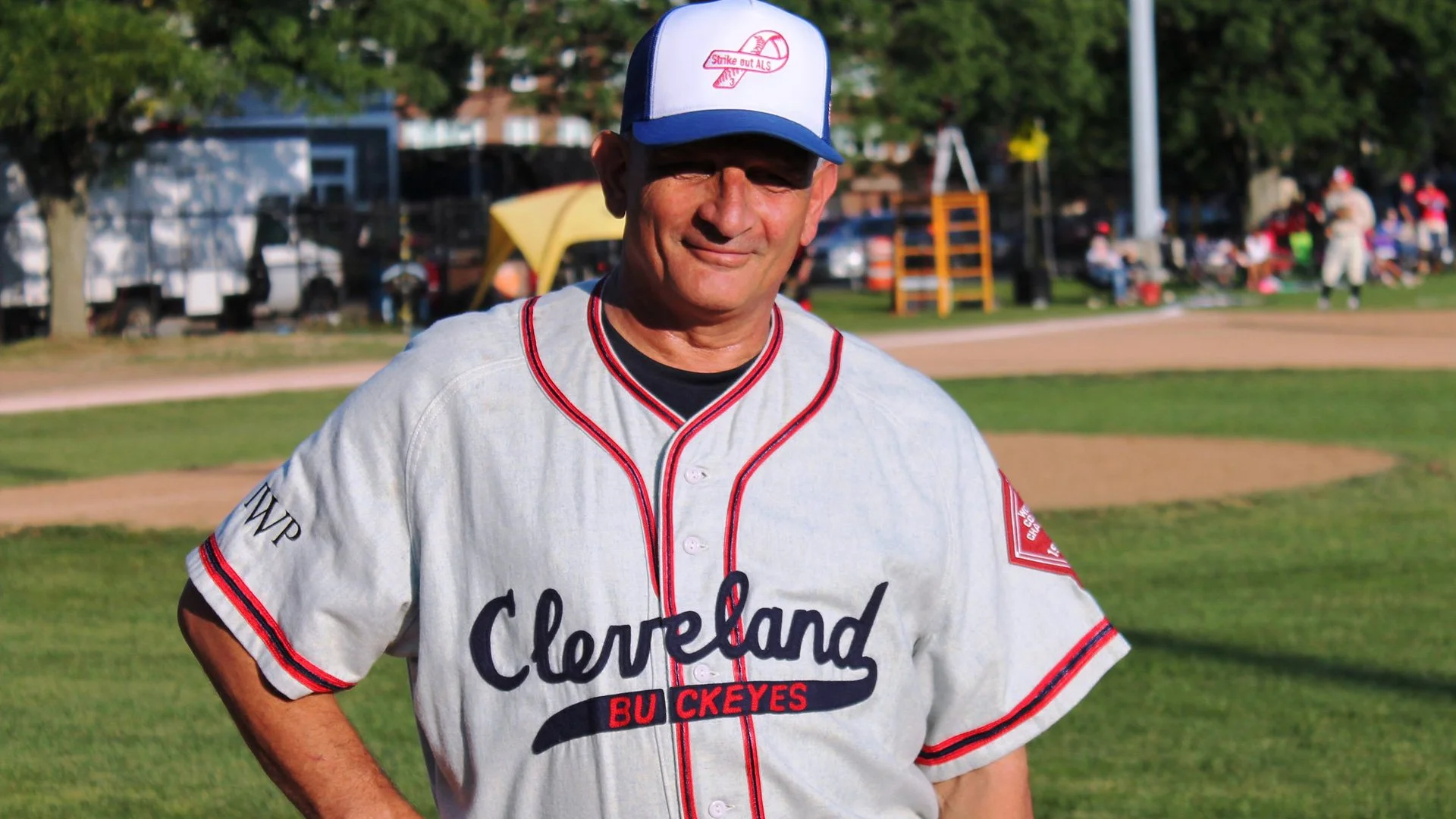
Led by player-manager Quincy Trouppe, the 1945 Buckeyes defeated the Homestead Grays in the Negro League World Series. Trouppe was 39 years old when he made his major-league debut with the Cleveland Indians in 1952, making him one of the oldest “rookies” in baseball history.
Seventeen-year-old Willie Mays appeared in 13 games for the ’48 Black Barons, who defeated the Kansas City Monarchs in the Negro American League Championship Series but lost to the Homestead Grays in the World Series.
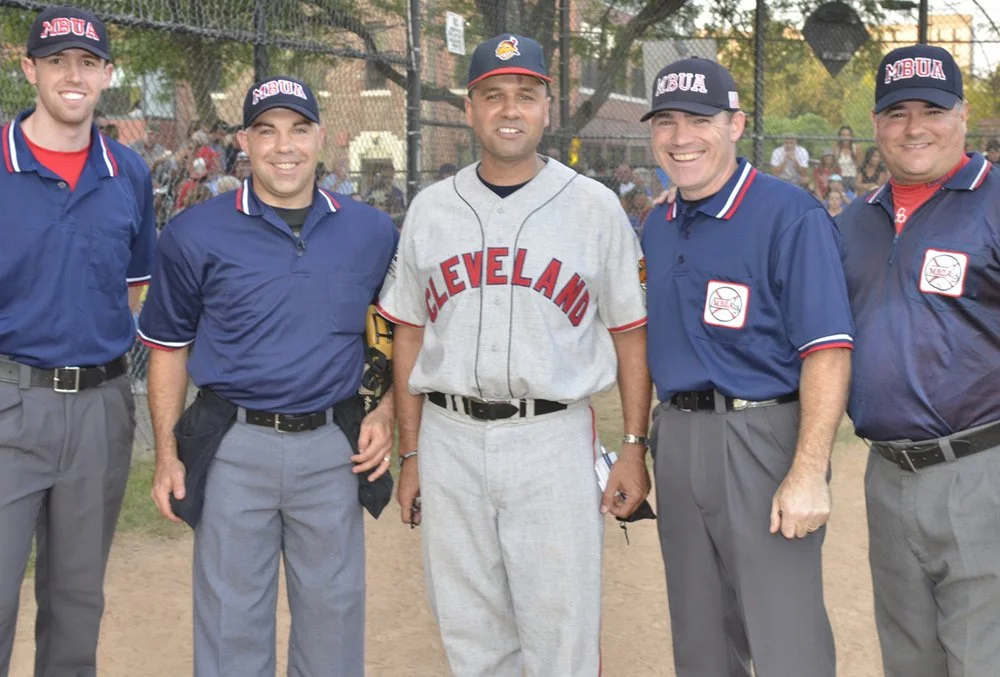
A team that truly broke the hearts of Boston baseball fans. After beating the Red Sox in a one-game playoff, the 1948 Cleveland Indians went on to defeat the Boston Braves in the World Series.
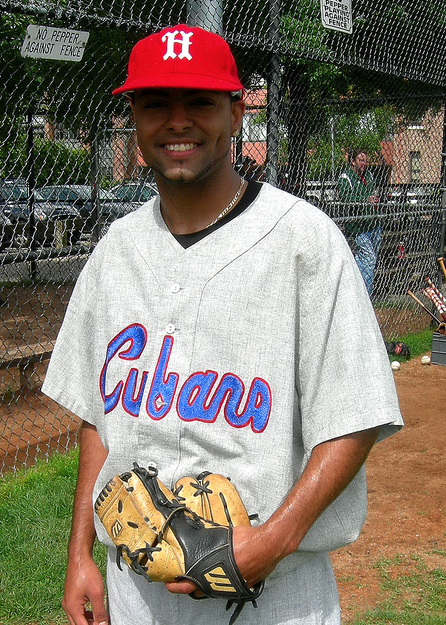
Champions of the Class B Florida International League with a 101-49 record, it’s been said that their biggest fan was a young Fidel Castro.
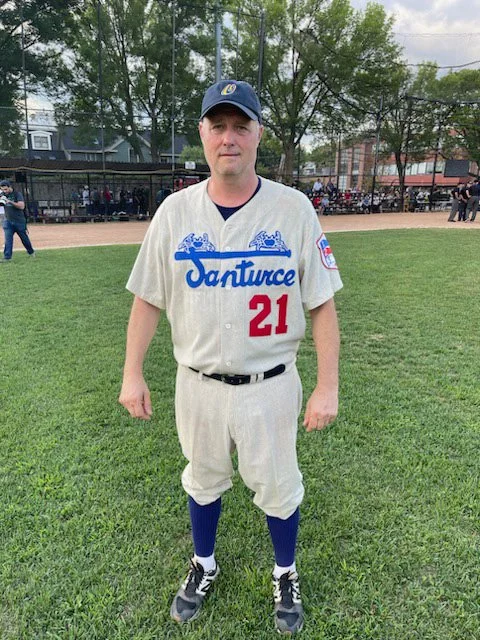
Founded in 1939, this legendary team is still active in the Puerto Rico Winter League, now known as Liga de Béisbol Profesional Roberto Clemente. The league’s name honors the memory of Roberto Clemente, a native of Puerto Rico who played for Santurce and forged a Hall of Fame career with the Pittsburgh Pirates.
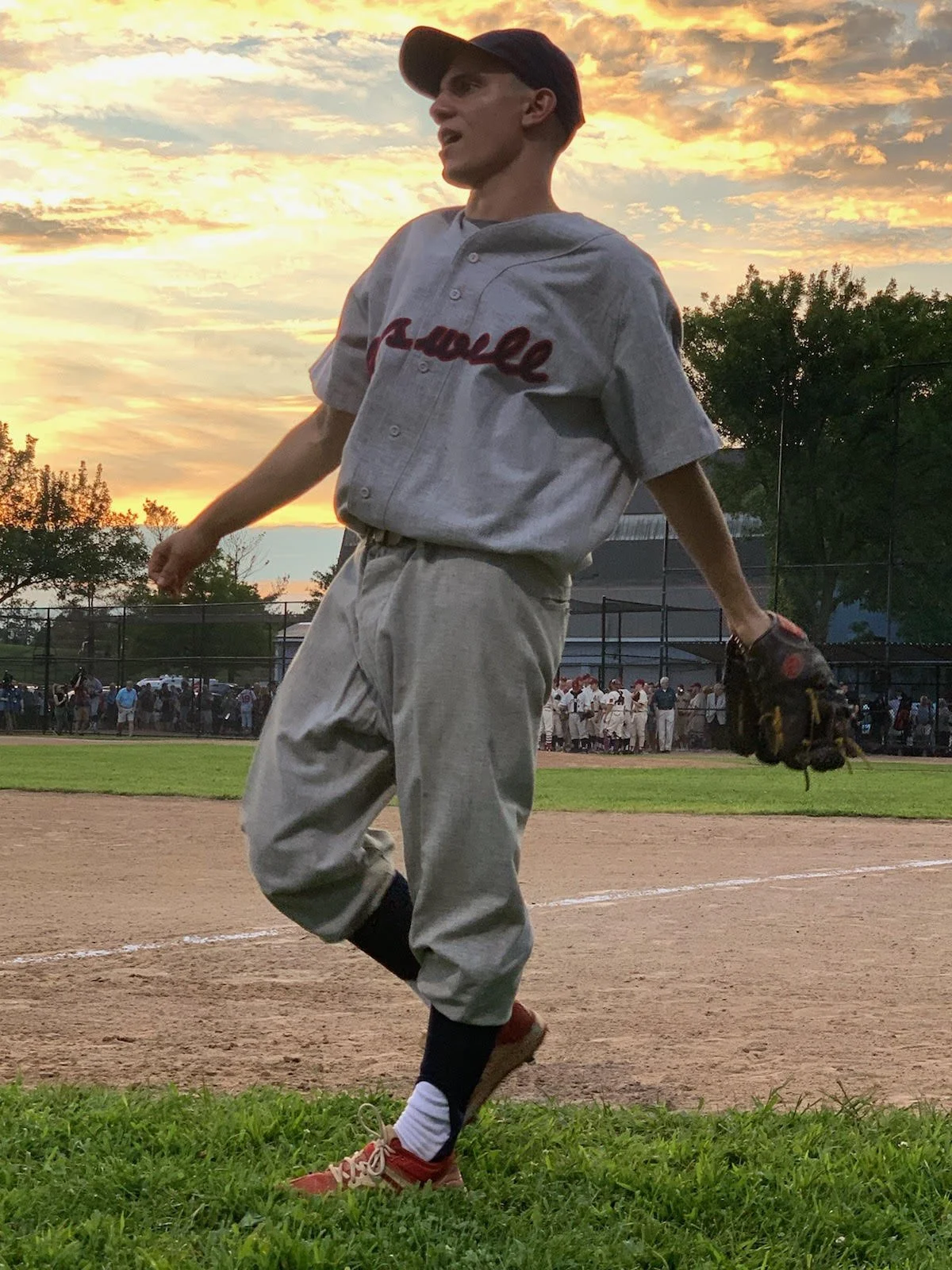
The Rockets played in the Class C Longhorn League. Joe Bauman won the Triple Crown in 1954 with an eye-popping 72 home runs, a .400 batting average and 224 runs driven in. His home run record stood as the most ever hit by a professional player until Barry Bonds swatted 73 in 2001.
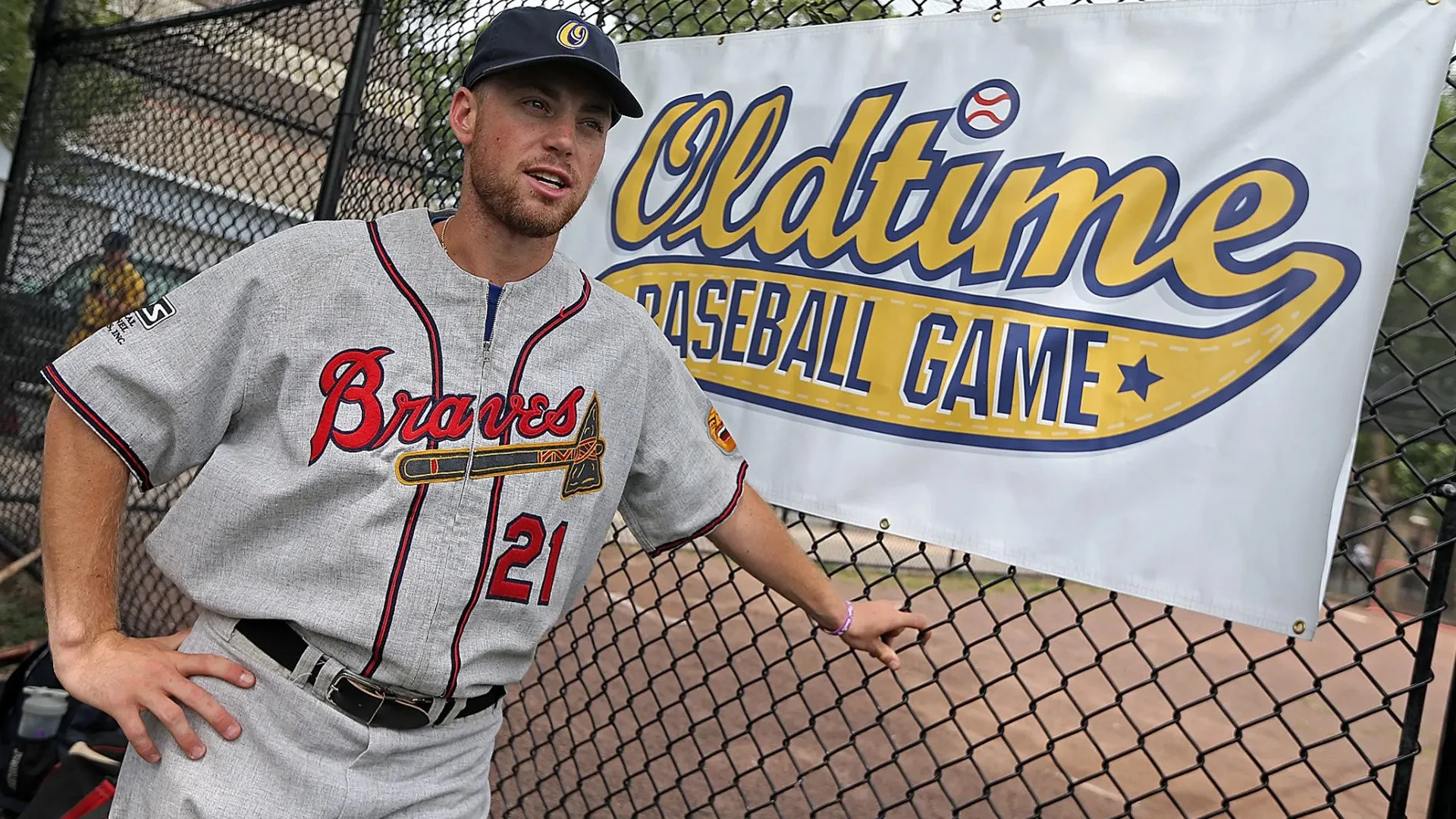
The 1957 Braves, in their fifth season in Milwaukee after relocating from Boston, beat the New York Yankees in the World Series. Warren Spahn, arguably the greatest left-hander in history, went 21-11 with a 2.69 ERA for the ’57 Braves.
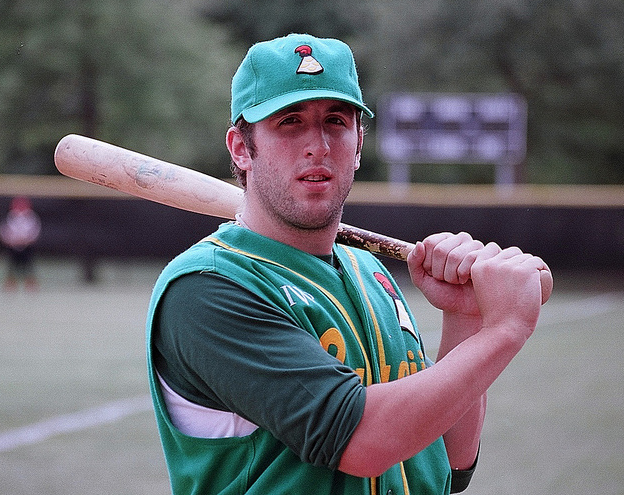
Professional baseball came to Hawaii in 1961 when the Sacramento Solons of the Pacific Coast League relocated to Honolulu. Carlos Bernier led the PCL in hitting in ’61 with a .351 average. Bernier, who played one season in the big leagues with Pittsburgh in 1953, is in the Pacific Coast League Hall of Fame.
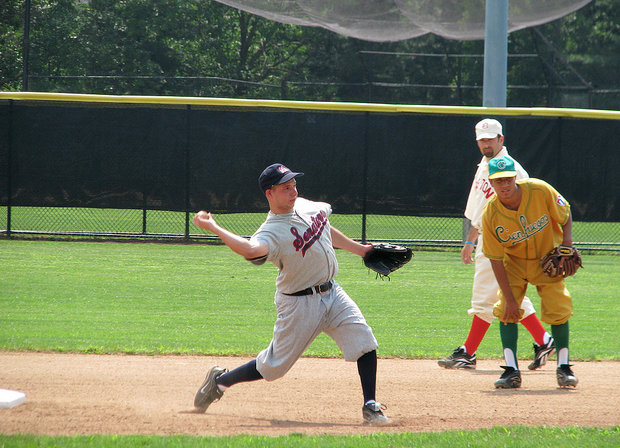
The uniform is an actual hand-me-down from the 1960 Washington Senators of the American League and was worn by outfielder Dan Dobbek, whose name is stitched inside the shirt. Dobbek appeared in 110 games for the 1960 Senators during the parts of three seasons he played in the big leagues. When the Senators relocated to Minneapolis after the 1960 season and were reborn as the Minnesota Twins, their old road uniforms were passed on to the Middleboro Senators, a farm team for the expansion Washington Senators that replaced the old Senators in 1961.
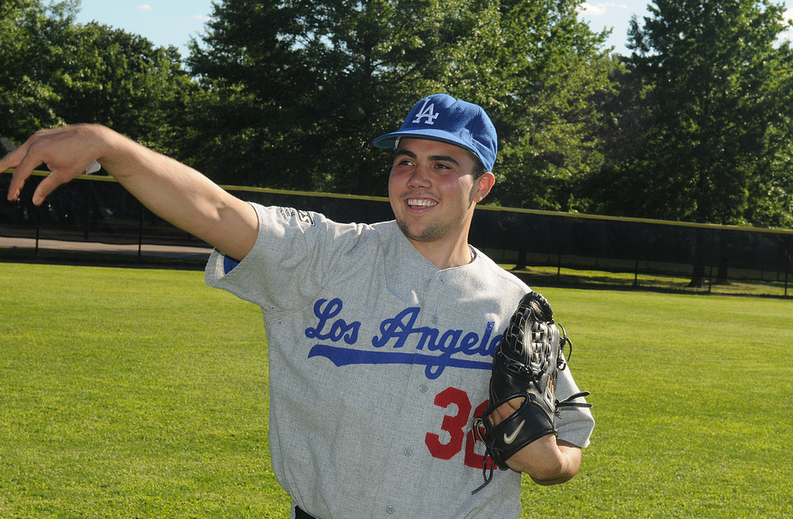
Hall of Fame lefty Sandy Koufax went 25–5 with 306 strikeouts and a 1.88 ERA for the pennant-winning 1963 Dodgers. He won both the Cy Young and MVP awards, and was voted World Series MVP after submitting two complete-game victories in the Dodgers’ four-game sweep of the New York Yankees in the Fall Classic.
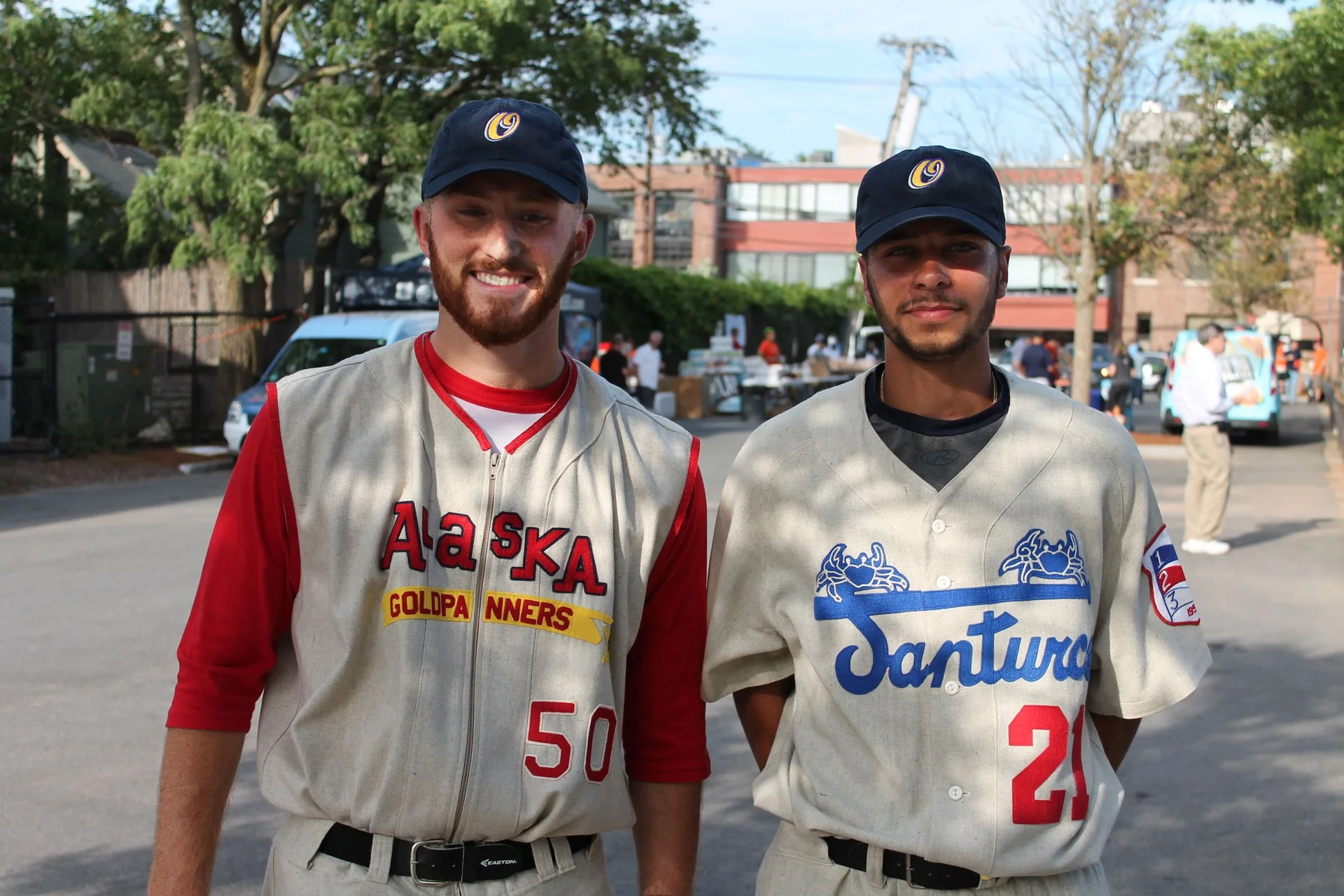
One of the better-known teams from the famed Alaska Summer League, the Goldpanners are based in Fairbanks. Among the future major-leaguers who played for the Goldpanners are Hall of Famer Tom Seaver and former Red Sox lefty Bill Lee.
Lefty Steve Carlton won 329 games and registered 4,136 strikeouts during his Hall of Fame career. The ’67 Cardinals defeated the “Impossible Dream” Red Sox in the World Series.
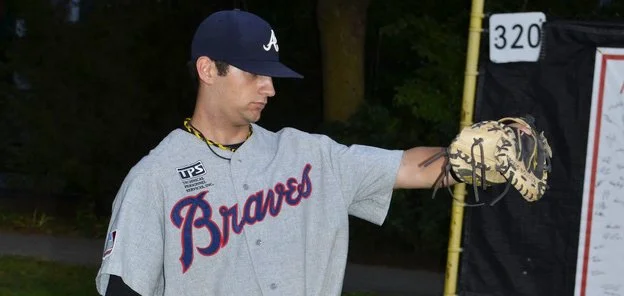
Henry Aaron — Hammerin’ Hank — signed his first professional contract with the Boston Braves, but it was with the Milwaukee Braves he made his major-league debut in 1954. He later moved with the Braves when the team relocated to Atlanta and then returned to Milwaukee to close out his brilliant career with the Brewers. Along the way Aaron hit 755 career home runs, surpassing Babe Ruth’s old record of 714 when he hit No. 715 off Al Downing of the Los Angeles Dodgers on April 8, 1974.
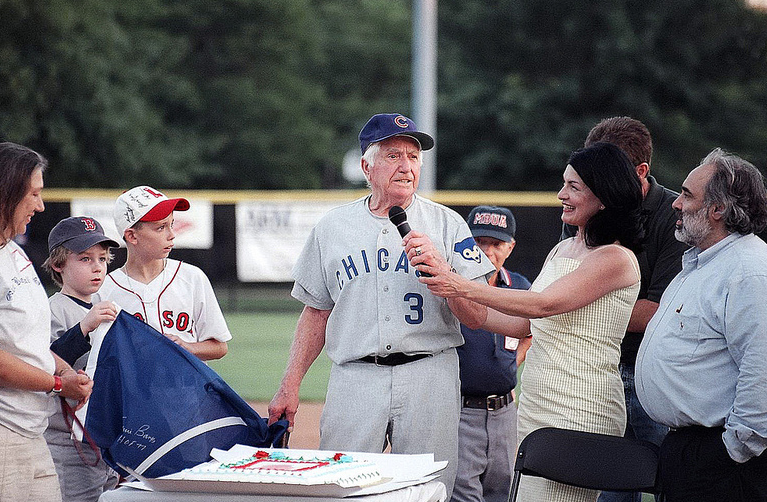
When former Chicago Cub and longtime scout Lennie Merullo was invited back to Wrigley Field in 1969 to participate in an oldtimers game, this is the uniform he was given— even though he never actually wore No. 3 for the Cubs.. A No. 21 uniform was provided for him in 1999 when he joined our Oldtime Baseball Game as a coach (See: 1941 Chicago Cubs), but he chose to wear his No. 3 uniform. He continued to wear the No. 3 uniform in the Oldtime Baseball Game every year from 1999 through 2009.
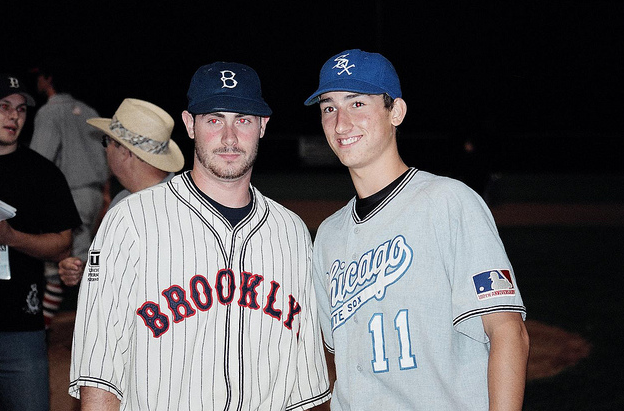
Hall of Fame shortstop Luis Aparicio played 10 of his 18 seasons with the Chicago White Sox, winding up his career in Boston. He led the American League in stolen bases in each of his first nine seasons.
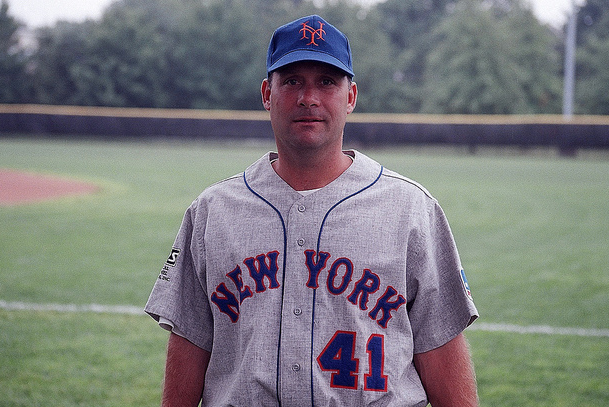
The 1969 Miracle Mets shocked the Baltimore Orioles in the World Series for the their first championship. Hall of Famer Tom Seaver, who won 25 games for the ’69 Mets, closed out his career with the Red Sox in 1986.
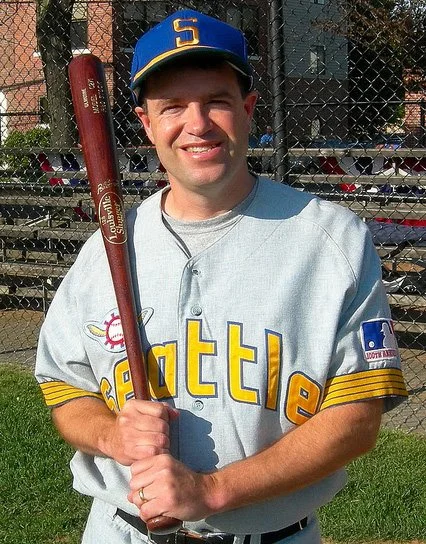
The expansion Seattle Pilots played only one season, relocating to Milwaukee in 1970 and becoming the Brewers. Tommy Harper, who stole a whopping 73 bases for the Pilots in 1969, went on to play and coach for the Red Sox. He settled in the Boston area after retiring.
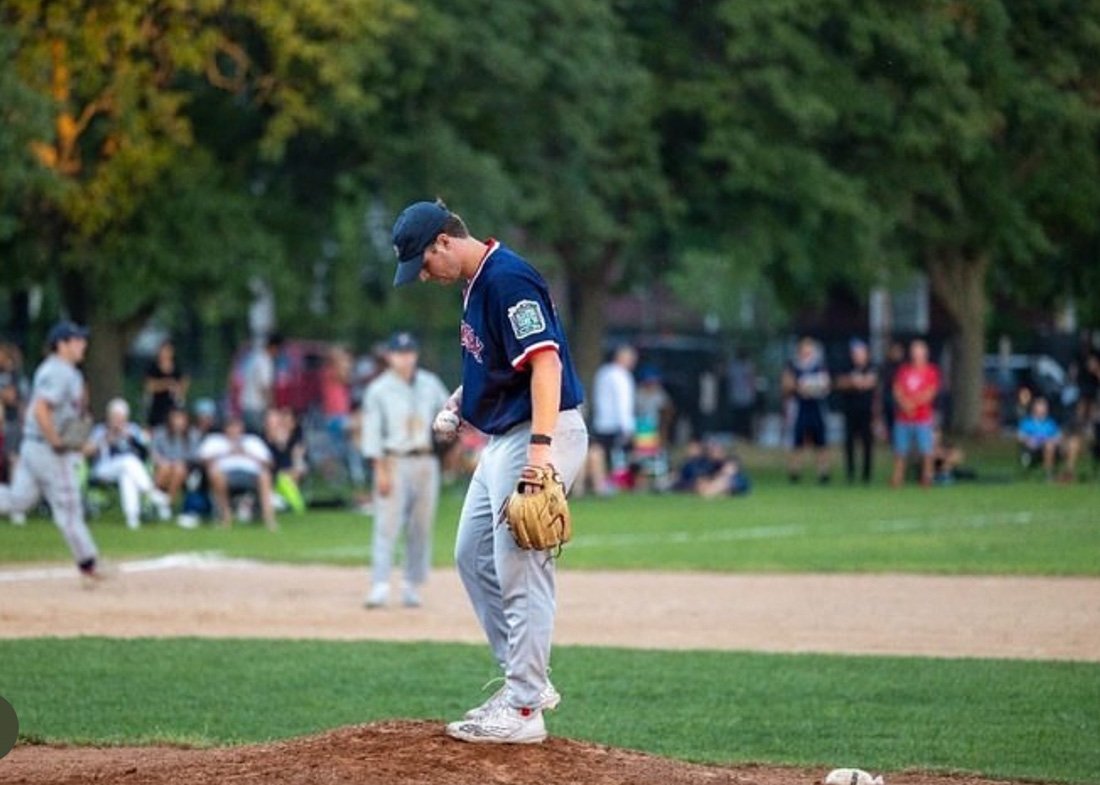
This is an actual road uniform worn in the big leagues by Newton, Mass., native Jim Corsi, who pitched for his hometown Red Sox from 1997 to 1999. Corsi pitched 10 seasons in the big leagues and was a member of the 1989 World Series champion Oakland A’s. After his career ended, Corsi became the first former Red Sox player to play in the Oldtime Baseball Game, making appearances in 2002 and ’03.
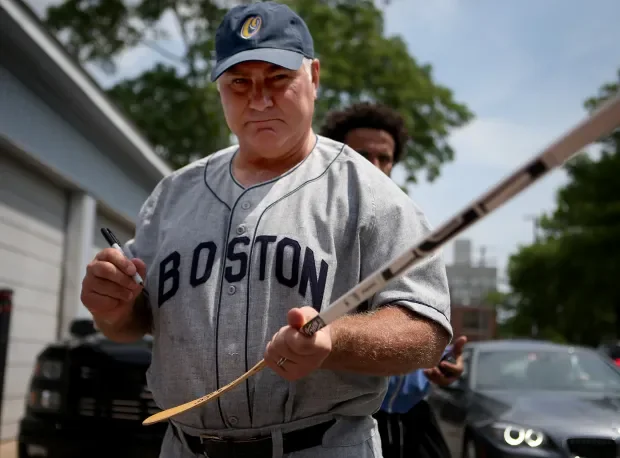
The original Boston Giants were an early Negro Leagues baseball team founded at the turn of the century as the Dartmouth Athletic Giants. Mostly a semipro team that served as a sort of minor-league team for better-known Negro Leagues teams elsewhere in the country, several incarnations came and went from the 1920’s to the 1940’s. They were variously known as the Boston Royal Giants and Boston Colored Giants and played home games at such venues as Carter Field and Lincoln Park in the South End, at Dorchester’s Town Field and, in Cambridge, Russell Field and Hoyt Field.
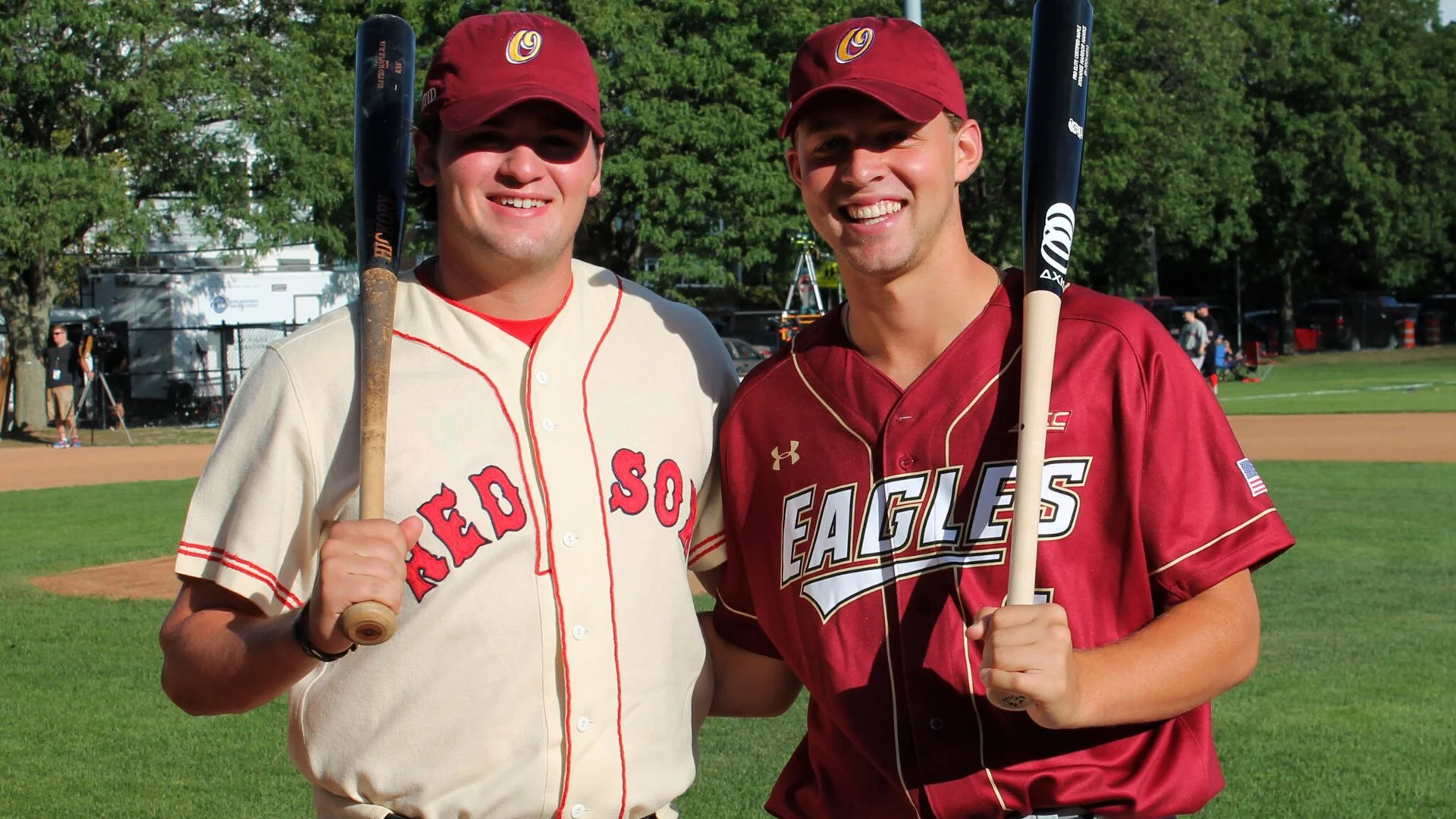
On March 3, 2015, the Red Sox and Boston College played an exhibition game at JetBlue Park in Fort Myers, Fla., in honor of Pete Frates, the former BC baseball captain who was battling ALS. What made this game special is that players on both teams wore No. 3 jerseys, after which they were auctioned off to benefit ALS research.
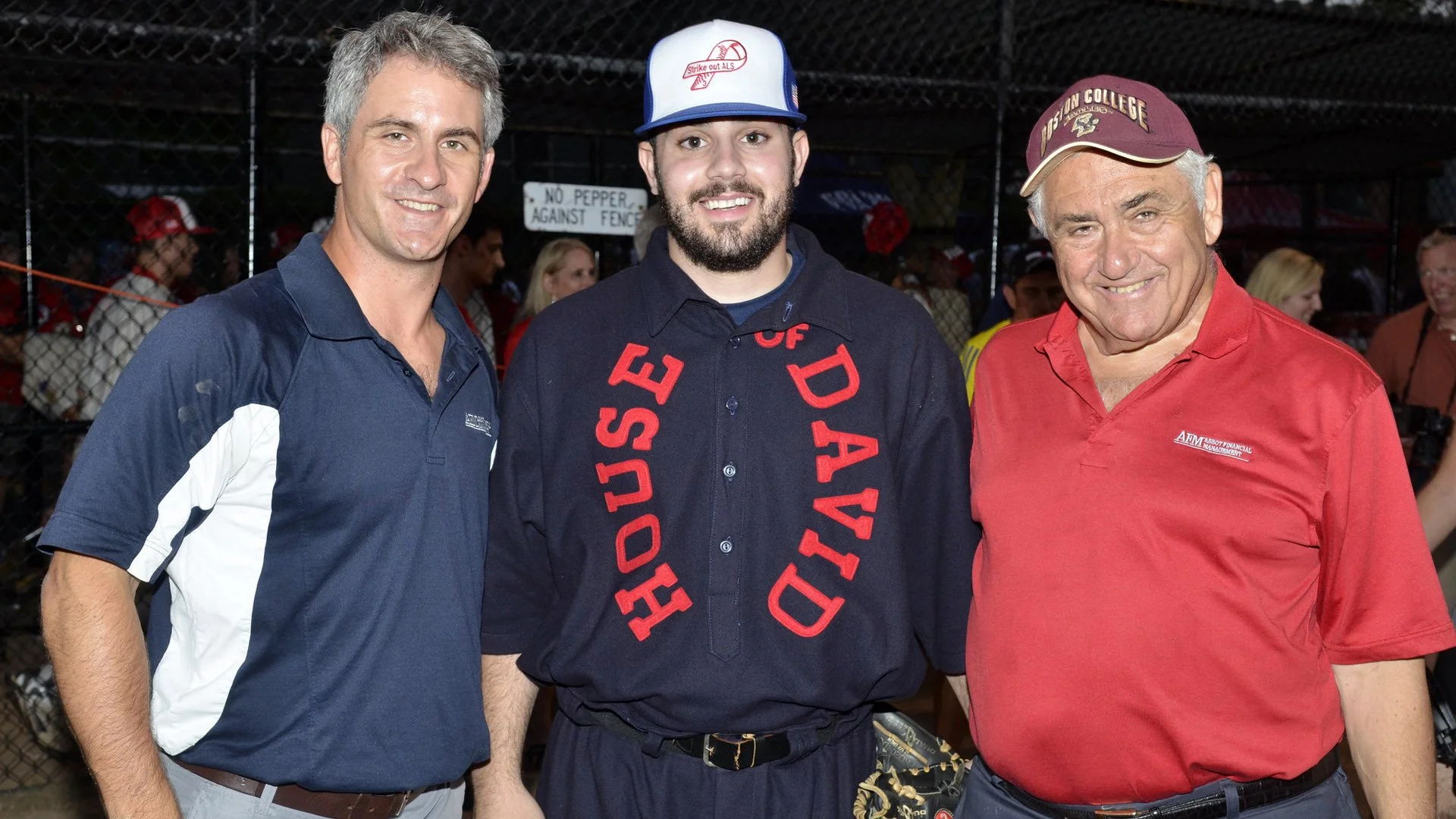
The House of David was a barnstorming team that toured the country from the 1920’s to the 1950’s. House of David players were known for their long beards. Though they mostly were amateur players, future Hall of Famers Grover Cleveland Alexander and Satchel Paige had hitches with the House of David, as did Eddie Popowski, who would later be the third-base coach of the 1967 “Impossible Dream” Red Sox.